AI note-taking with built-in TTS versus a dedicated TTS platform: a practical comparison of voices, languages, SSML controls, publishing options, and real-world use cases for students, creators, and teams.
Notegpt and Listnr sit at different points in the AI audio ecosystem. Notegpt blends AI note-taking, transcription, summarization, and TTS to convert lectures, meetings, and articles into audio briefs—an ideal fit for students, researchers, and knowledge teams who want quick, shareable audio from existing notes. Listnr is a dedicated TTS platform built for fast, publish-ready voiceovers, offering a broad catalog of voices, multilingual output, SSML precision, and embeddable players for websites and campaigns—perfect for creators, marketers, and L&D teams. This comparison examines core capabilities: content capture and organization, voice quality and languages, SSML and pronunciation controls, collaboration and project management, integrations, publishing formats, and pricing. Real-world use cases span turning notes into narrated study aids, producing marketing videos, localization of training, and accessible UI prompts. Audiences include students, product teams, educators, and content creators seeking scalable, web-ready audio. The goal is to guide readers toward the best fit for their workflow and budget, with clear strengths, trade-offs, and when a third option like Listen2It may offer a better balance of quality and scale.
Notegpt blends AI note-taking, transcription, and text-to-speech export for efficient content repurposing. It offers free and paid tiers, browser tools, and meeting-to-audio workflows. Strengths include summarization, study aids, and quick voice exports; positioning prioritizes productivity over studio-grade voice customization for students, researchers, and knowledge teams.
Onboarding emphasizes guided templates for summarization and TTS. The interface unifies notes, transcripts, and audio export in a single workspace. Non-technical users adapt quickly; advanced SSML or fine-grained voice control requires learning. Ideal for fast idea-to-audio workflows and daily productivity.
Listnr is a TTS-focused platform delivering extensive neural voices, multilingual output, and embeddable audio players for creators and businesses. It provides tiered plans including trial access, SSML support, and publishing workflows. Strengths are voice variety, localization tools, and straightforward distribution for podcasts, blogs, and marketing audio with developer APIs available.
Quick onboarding with voice presets, templates, and immediate previews. The TTS-focused UI highlights script editing, voice selection, and publishing tools. Simple tasks take minutes; mastering SSML, batch workflows, and project organization adds complexity. Suited for creators producing polished audio quickly.
| Feature | Notegpt | Listnr |
|---|---|---|
1. Ease of Use & Interface | The interface centers on capture, transcription, and summarization workflows with straightforward TTS export options, offering a unified workspace for notes, transcripts, and audio generation. Onboarding includes templates for common tasks, making it quick for students and knowledge workers to turn captured content into listenable audio with minimal setup. | The web app emphasizes a script editor, voice picker, and instant preview controls, enabling rapid iteration on voiceovers. Presets and project/version organization speed production, allowing creators and marketers to produce polished audio with a low learning curve. |
2. Features & Functionality | • Provides AI-powered transcription and summarization that convert meetings and videos into concise notes.
• Includes text-to-speech export that generates downloadable audio files from summaries and transcripts.
• Features an editor that lets users refine transcripts and summaries prior to audio generation.
• Supports ingestion of audio and video content for automated summarization and subsequent voice export.
• Offers export and sharing options for transcripts and audio files to distribute insights across teams.
• Includes collaboration capabilities to share notes and audio within group workspaces and workflows. | • Offers a large catalog of neural voices across multiple languages and accents for diverse voiceover needs.
• Provides SSML support and voice controls for pauses, pitch, and speaking rate to shape prosody.
• Includes embeddable audio players and direct audio download options for web publishing and distribution.
• Provides an API and integration points to automate blog-to-audio and publishing workflows.
• Supports batch generation workflows to convert multiple texts into audio efficiently.
• Offers pronunciation controls and custom lexicons to fine-tune output for brand or terminology consistency. |
3. Supported Platforms / Integrations | • Operates as a browser-accessible web application that works on modern desktop browsers.
• Provides browser-based content ingestion tools for capturing web pages and video sources for summarization.
• Exports audio files in standard formats for use in LMSs, podcast tools, and CMSs.
• Integrates export and import workflows with common cloud storage and document tools for content portability. | • Accessible via a web application with a public API for programmatic audio generation.
• Offers plugins and integrations for publishing platforms to embed audio directly into websites.
• Connects to automation platforms to support automated blog-to-audio and publishing pipelines.
• Provides embeddable audio players and widgets for easy website and landing page integration. |
4. Customization Options | • Allows selection among available voices and basic speed adjustments for generated audio.
• Provides an editor to insert pauses and edit short segments of generated speech.
• Includes basic pronunciation correction features for proper names and specialized terms.
• Offers export presets to choose audio format and quality prior to download.
• Supports reusable templates and workflows for consistent summarization-to-audio conversions. | • Supports SSML-based controls for fine-grained prosody, pauses, and emphasis in generated speech.
• Provides pitch, speaking rate, and volume adjustments to tune voice delivery across projects.
• Offers voice style or emotion options where supported by individual neural voices.
• Includes custom pronunciation dictionaries and lexicons for brand terminology consistency.
• Enables project-level presets to enforce consistent voice and rendering settings across team outputs. |
5. Pricing & Plans | • Offers a free tier with limited usage that enables basic summarization and TTS exports.
• Provides subscription plans that scale by usage limits and add higher-volume TTS and collaboration features.
• Includes team and business plans that add shared workspaces and additional export capacity.
• Offers pay-as-you-go or higher-tier options for increased minutes or characters for audio generation.
• Provides educational or volume discounts through bespoke plans for larger organizations. | • Offers a free or trial tier with limited characters and access to standard voices for evaluation.
• Provides tiered subscription plans that increase character limits and unlock premium voices and features.
• Includes commercial licensing terms on paid plans for public distribution of generated audio.
• Provides API access and higher-rate limits on business and enterprise plans for programmatic use.
• Offers enterprise-grade plans with SSO and dedicated support for large-volume customers. |
6. Customer Support | • Maintains a knowledge base and documentation that covers core workflows and troubleshooting.
• Provides email support and in-app help channels for technical and billing inquiries.
• Offers enhanced onboarding and priority support for business and enterprise customers. | • Provides documentation and tutorials focused on TTS production and publishing workflows.
• Offers email and chat support channels with priority routing for paid plans.
• Supplies enterprise onboarding and account management for high-volume or branded deployments. |
7. User Experience & Performance | • Delivers fast summarization-to-audio turnaround that speeds conversion of captured content into listenable files.
• Generates previews quickly to iterate on summaries and basic narration without lengthy waits.
• Produces natural-sounding TTS that varies in realism depending on the selected voice.
• Presents limitations for advanced studio-style audio production, making complex multi-track projects better suited to dedicated audio tools. | • Produces consistent, high-quality neural speech across many languages for polished voiceovers.
• Renders audio quickly at scale and supports batch exports for large publishing workflows.
• Provides stable embed playback for web distribution and player-based delivery.
• Requires higher-tier plans to access the most advanced voices and production-grade features. |
Pros & Cons Table


Listen2It combines cutting-edge voice AI, accessible tools, and studio-quality audio for professional results at scale.

Clean UI, with drag-and-drop workflow for voiceovers, podcasts, and audiobooks.

Choose from 600+ AI voices in 80+ languages, with natural-sounding emotional intonation and regional accents.

Flexible pay-as-you-go and affordable subscriptions, with all premium voices included—no surprise fees.

Lightning-fast rendering, even for long scripts or audiobooks. Cloud-based—no software install needed.

Multi-user workspaces and robust API for automation or large-scale projects.
GDPR-compliant, secure cloud storage, dedicated support.
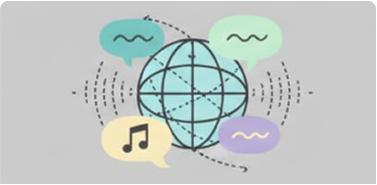
If you want more global language coverage or unique voices
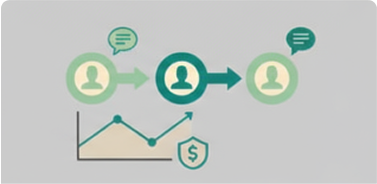
If you need a platform for both high-volume and one-off projects
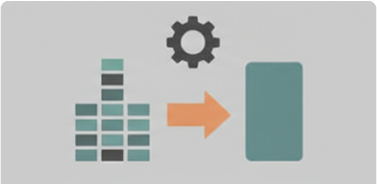
If you value seamless workflows and team features without a steep price tag


