A concise, data-driven comparison of Narakeet and Murf AI—covering voices, features, pricing, and practical use cases for video, e-learning, and content teams.
Narakeet and Murf AI represent two ends of the modern TTS spectrum: Narakeet accelerates script-to-video with automation and broad language coverage, ideal for batch production, educators, and developers integrating TTS into pipelines. Murf AI provides a studio-grade workflow with a timeline, rich voice controls, and collaborative features, suited for brand storytelling, ads, and multi-asset productions. In 2025, teams demand both speed and refinement: automation to scale localization and video creation, and creative control to align voice with brand and asset timing. Narakeet's strengths include document-first workflows, PPTX/Markdown input, API/CLI access, 600+ voices in 90+ languages, and easy generation of videos with subtitles and background music. Murf AI stands out with 120+ voices across 20+ languages, voice styles and emotions, pronunciation dictionaries, cloning (consent-based), stock media, and Google Slides integration, all within a collaborative studio. Both support exports to standard formats, but Narakeet leans automation-driven while Murf AI emphasizes scene-level precision and creative polish. The right choice hinges on your workflow: rapid, scalable voiceovers vs. studio-level production with team collaboration and brand-safe voices.
Narakeet automates text-to-speech and slide-to-video production, converting scripts, Markdown, and PPTX into narrated MP3, WAV, or MP4. Pricing is usage-based credits with pay-as-you-go and top-up options. Strengths include batch automation, API/CLI control, multilingual voice coverage, and fast reproducible workflows for developers, educators, and content teams.
Narakeet's web UI is document-first and straightforward, enabling fast script-to-render workflows. Beginners paste or upload slides and generate outputs quickly. Developers gain API and CLI support for reproducible automation. Minimal timeline editing reduces complexity but limits visual fine-tuning for teams.
Murf AI provides a studio-grade voiceover platform with a timeline editor, collaboration, pronunciation controls, and stock media. Pricing is subscription-based with tiered minutes and enterprise options. Strengths include advanced voice styles, cloning (consent-based), team workflows, and fine-grained pacing and emotion controls for marketing, e-learning, and agency production and creative teams.
Murf AI uses a visual studio interface with timeline editing, multi-track media, and collaboration. Templates and voice auditioning speed onboarding. Advanced voice styling and cloning require some learning, but the editor's drag-and-drop controls enable precise timing and team iteration workflows
| Feature | Narakeet | Murf AI |
|---|---|---|
1. Ease of Use & Interface | The document-first interface lets authors paste text or upload slides and render finished voiceovers with minimal setup, making it easy to produce consistent outputs quickly. Timing is driven by slide and script structure rather than a visual timeline, and API/CLI options are available for power-user automation. | The studio interface centers on a visual timeline and multi-track editing, enabling precise alignment of narration, music, and visuals with modest onboarding time. Voice auditioning and block-level controls are intuitive, and built-in collaboration features support team reviews and iterative production. |
2. Features & Functionality | • Script-to-video conversion from slides and Markdown enables automated scene generation for rapid production.
• SSML-like controls provide pauses, emphasis, and speed adjustments directly in scripts.
• REST API and command-line tools support batch generation and integration into automation pipelines.
• Outputs include MP3, WAV, and MP4 with subtitle export for accessibility and captioning.
• Background music mixing and timing controls allow straightforward audio layering for slide-based videos.
• The platform focuses on automation and reproducibility rather than a visual timeline or voice cloning tools. | • Visual timeline editing with multi-track support enables precise timing of narration and media assets.
• Voice styles, emotions, and pitch/pace controls deliver expressive and on-brand voiceovers.
• Pronunciation dictionary allows custom spelling and phonetic tuning for consistent word delivery.
• Voice cloning and a voice changer are available with consent workflows for brand or character voices.
• Built-in stock music and sound effects accelerate production of polished media-rich projects.
• Collaboration features and templates streamline team workflows and iterative reviews. |
3. Supported Platforms / Integrations | • REST API and command-line interfaces enable programmatic integration into developer workflows and CI/CD pipelines.
• PPTX and Markdown import makes it simple to convert existing documentation and slide decks into audio or video.
• Exports are compatible with LMS and CMS platforms through common audio and video file formats.
• The platform is designed for direct integration into content pipelines rather than relying on a broad plugin ecosystem. | • Web-based studio includes a Google Slides add-on for quick slide narration workflows.
• Exports to MP3, WAV, and MP4 support standard creative delivery and multi-track project exports.
• Media import and export options integrate with typical creative stacks and asset libraries.
• Enterprise features include team management and single-sign-on options on higher-tier plans for organization-wide deployment. |
4. Customization Options | • SSML-like directives allow control over pauses, emphasis, and speaking rate within scripts.
• Scene pacing is driven by slide and document structure for predictable timing across renders.
• Custom pronunciation can be managed via phonetic tags or SSML entries in the script.
• A broad catalog of voices and language options enables localization without per-scene style presets.
• The platform offers limited per-word emotional styling and does not provide deep pitch-shifting or timeline-based modulation. | • Block-level pitch, pace, and emphasis controls enable precise delivery for each text segment.
• Word-level emphasis and phonetic spelling support through the pronunciation dictionary ensure accurate names and terms.
• Multiple voice styles and emotional presets allow rapid changes in tone and character.
• Voice cloning and voice changer options provide brand-specific or character voice creation where permitted.
• Timeline-level tuning of pauses and scene alignment gives fine-grained control over narration timing. |
5. Pricing & Plans | • Pricing follows a usage-based credits model with pay-as-you-go top-up options for flexible consumption.
• A free trial or demo minutes are available to evaluate voice quality and workflow before committing.
• Per-minute or per-project billing makes the platform suitable for sporadic or bursty production needs.
• No mandatory subscription is required for occasional users who prefer pay-as-you-go billing.
• Developer-friendly billing and volume options support teams with higher-generation needs without fixed monthly commitments. | • Plans are subscription-based with monthly and annual billing options to suit recurring production needs.
• A free trial or limited free tier is provided to test voices and studio features before upgrading.
• Advanced capabilities such as voice cloning and team seats are gated to higher-tier plans.
• Plan generation minutes or quotas determine export allowances and access to studio-level features.
• Team and enterprise pricing tiers include additional collaboration tools and higher support levels for organizations. |
6. Customer Support | • Comprehensive documentation and developer guides cover API, CLI, and script-to-video workflows.
• Email-based support and ticketing handle technical questions and account issues.
• Tutorials and community resources provide self-serve help for common production patterns. | • Extensive knowledge base and step-by-step tutorials support onboarding and feature discovery.
• Email and live chat channels are available for technical and billing inquiries.
• Priority support and dedicated account management are available for enterprise customers on higher plans. |
7. User Experience & Performance | • Rendering is fast and optimized for batch conversions of slides and scripts to audio or video.
• Outputs are consistent across repeated runs when source scripts and slide timing remain unchanged.
• The document-first approach reduces manual editing but limits fine-grained control over individual audio segments.
• Performance is reliable for automated pipelines with predictable latency and throughput. | • Real-time auditioning and previews enable rapid iteration and voice selection during production.
• High-quality renderings are tailored for polished, media-rich outputs with controlled delivery.
• Complex multi-track projects can increase render times and produce larger export files.
• The studio interface supports precise timing adjustments with minimal audible artifacts. |
Pros & Cons Table


Clean UI, with drag-and-drop workflow for voiceovers, podcasts, and audiobooks.

Choose from 600+ AI voices in 80+ languages, with natural-sounding emotional intonation and regional accents.

Flexible pay-as-you-go and affordable subscriptions, with all premium voices included—no surprise fees.

Lightning-fast rendering, even for long scripts or audiobooks. Cloud-based—no software install needed.

Multi-user workspaces and robust API for automation or large-scale projects.
GDPR-compliant, secure cloud storage, dedicated support.
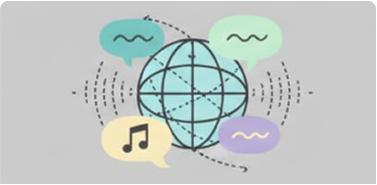
If you want more global language coverage or unique voices
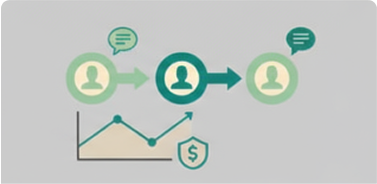
If you need a platform for both high-volume and one-off projects
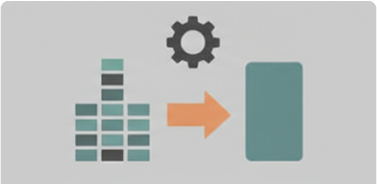
If you value seamless workflows and team features without a steep price tag


